The Galaxy Workflow Draft Format
Plan, review, and refine a workflow — one step at a time
Lightning talk · GCC 2026
John Chilton
Make “I don’t know yet” first-class
Concrete now
inputs, outputs, step set, producer → consumer edges, branches,
when: guardsDeferred explicitly
TODO_* sentinels for tool IDs, versions, and wrapper-defined portsIntent carried forward
_plan_* fields tell the next step what the source evidence supports.class: GalaxyWorkflowDraft
inputs:
reads:
type: collection
collection_type: list:paired
steps:
align_reads:
tool_id: TODO_mapper
tool_version: TODO
_plan_context: "map paired reads to the reference"
_plan_in:
reads: "paired input collection"
reference: "selected genome"
in:
reads: reads
reference: TODO_reference_port
outputs:
aligned_bam:
outputSource: align_reads/TODO_bam_outputValidate the plan at every stage

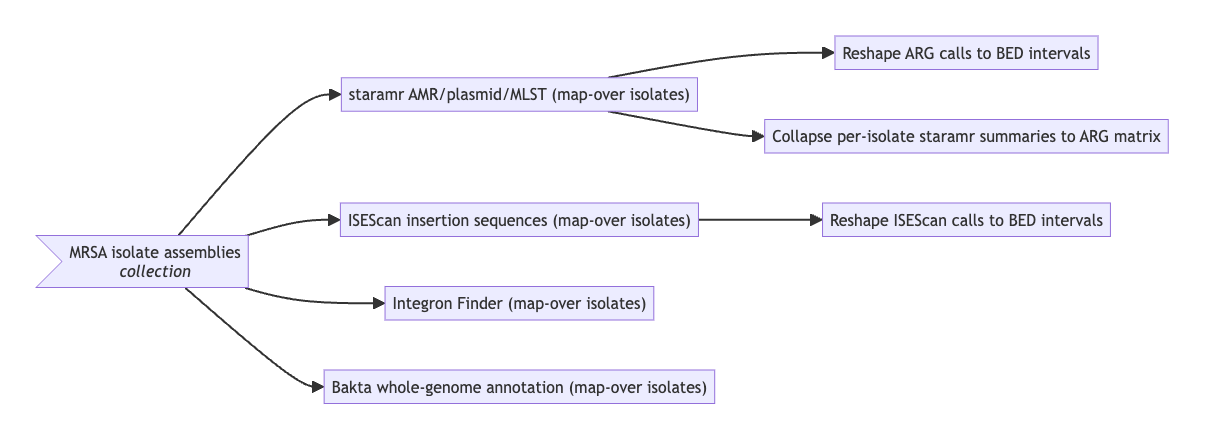
gxwf draft-validate checks what’s already concrete against real tool schemas and skips what’s still deferred — so every intermediate plan is valid at the resolution it has reached.
The draft tells you what’s next
Because deferral is typed, the tooling reads the plan and picks the next unresolved step — no hunting through YAML for what’s unfinished.
$ gxwf draft-next-step wf.gxwf.yml

→ step 3  filter significant peaks   [deferred]
    _plan_state: keep rows with padj < 0.05
Resolve it, validate, repeat — the format drives the loop instead of you tracking it.
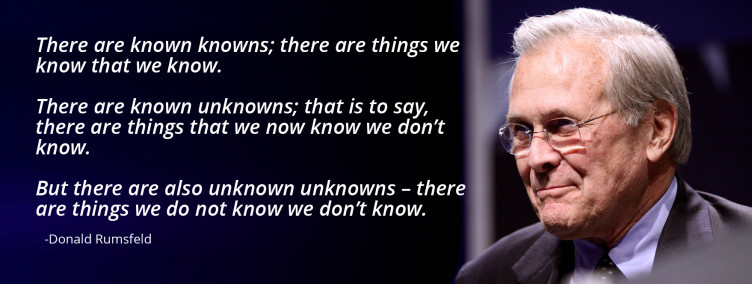
Validate the known knowns and the known unknowns
A workflow plan anyone can read, review, and refine — one step at a time, whether a person or an agent is filling it in.
a plan you can trust, because you can read it